Plate Heat Exchangers (PHE) are crucial in the dairy industry, especially during processes like pasteurization. They are used for heat transfer between two fluids at different temperatures and are an essential part of ensuring both the safety and quality of dairy products.
Applications of Plate Heat Exchangers
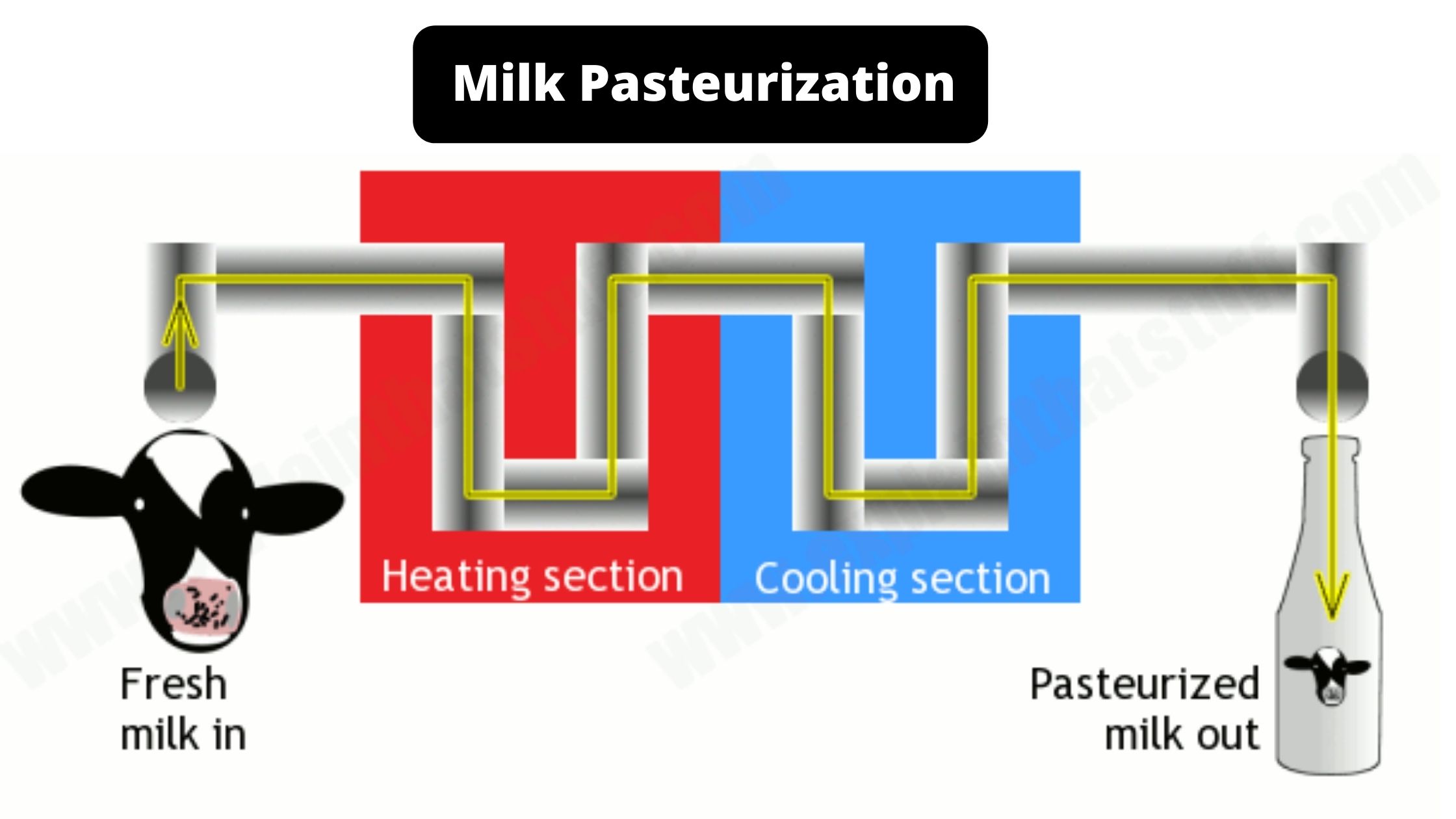
Milk Pasteurization
Plate heat exchangers are commonly used to heat milk to a specific temperature and then rapidly cool This process eliminates harmful bacteria and microorganisms, ensuring the safety of the final product.
Temperature Uniformity
These exchangers help transfer heat between liquids of different temperatures, ensuring consistent product quality, especially in the production of cheese, yogurt, and cream.
Energy Efficiency
Designed for maximum heat exchange with minimal energy loss, these exchangers reduce energy consumption in dairy plants.
Benefits of Plate Heat Exchangers
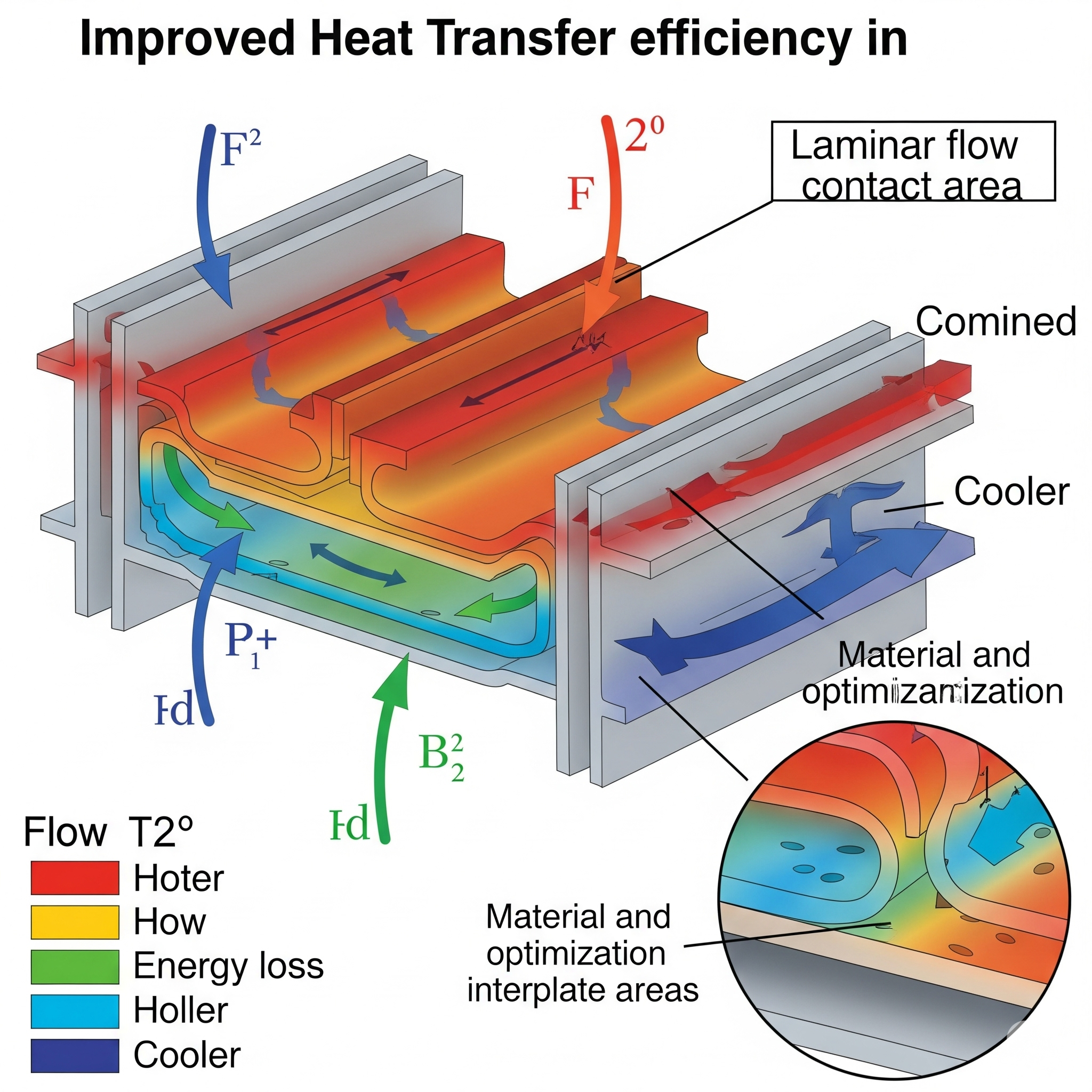
Improved Heat Transfer Efficiency
Thin plates with large surface areas facilitate optimal heat exchange.
Easy to Clean
The modular design and easy-to-remove plates allow for simple cleaning and disinfection, ensuring high hygiene standards.
Compact Size & High Capacity
These exchangers take up less space and have high thermal exchange capacity, making them ideal for the dairy industry.
Types of Plate Heat Exchangers
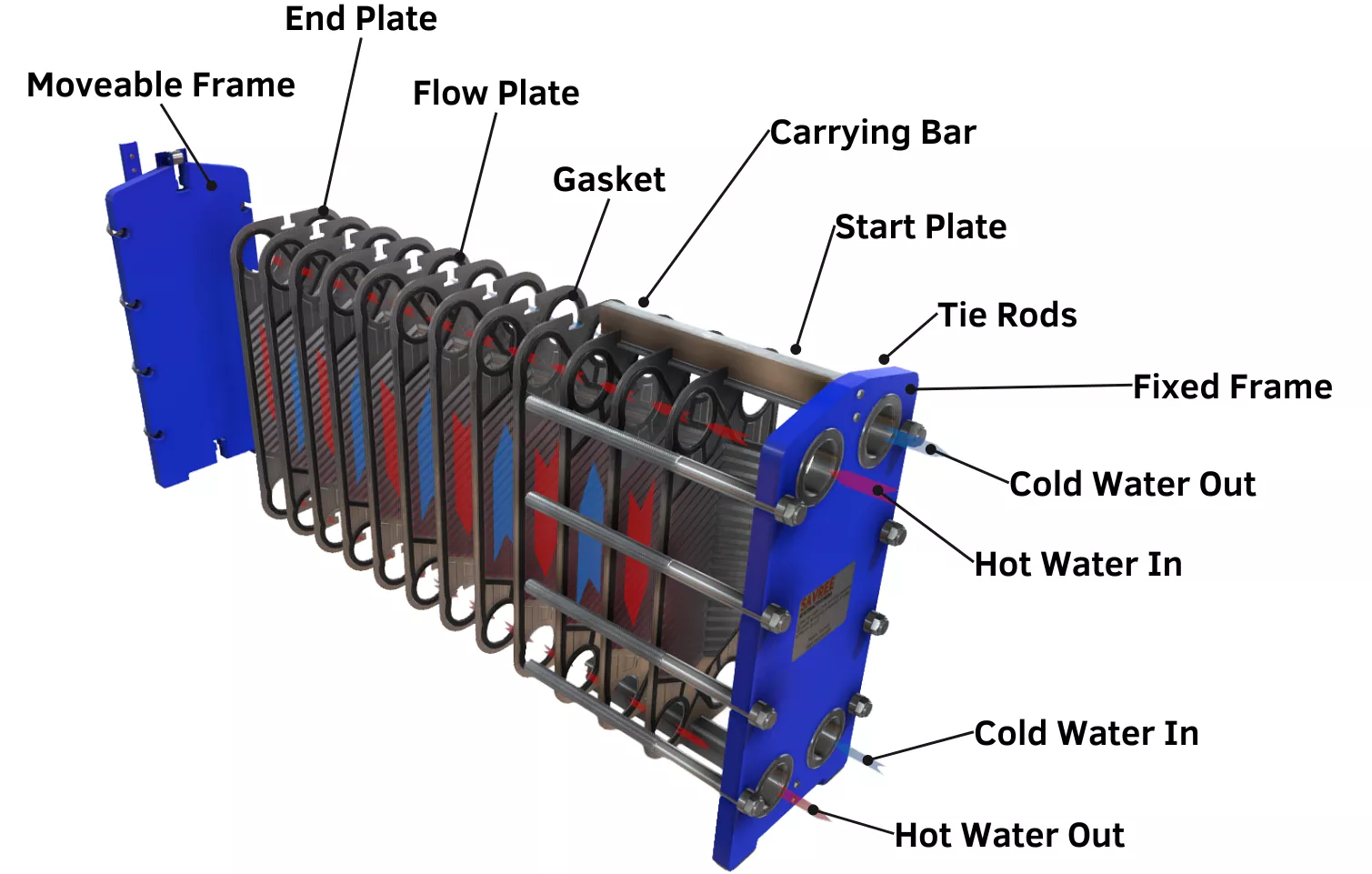
Gasketed Plate Heat Exchangers (GPHE)
Description: The most common type: corrugated plates sealed with gaskets and clamped in a rigid frame, allowing easy disassembly for cleaning or adjustments.
Applications:
Widely used in dairy, beverage, and food industries
Ideal for pasteurization, cooling, and heat recovery
Advantages:
Easy maintenance and cleaning
High thermal efficiency
Expandable, flexible design
Brazed Plate Heat Exchangers (BPHE)
Description: Similar to GPHE but plates are permanently brazed with copper or nickel. Compact, durable, and gasket-free—ideal for clean, closed-loop systems.
Applications:
HVAC, oil cooling, refrigeration
Great for space-constrained setups
Advantages:
Leak-proof and compact
High pressure/temperature resistance
Minimal maintenance
Welded Plate Heat Exchangers (WPHE)
Description: Plates are welded (no gaskets), making them suitable for extreme temperature/pressure or aggressive fluids.
Applications:
Chemical and pharmaceutical processes
Corrosive and high-temperature systems
Advantages:
Performs under extreme conditions
Long service life
Semi-Welded Plate Heat Exchangers
Description: A hybrid of welded and gasketed: pairs of welded plates are gasketed together—enabling simultaneous handling of aggressive and clean fluids.
Applications:
Ammonia cooling and complex chemical processes
Advantages:
Dual-side fluid handling
Corrosion resistance
Easy service access
Conclusion
Plate heat exchangers are indispensable across dairy, food, beverage, and process industries. Their hygiene-compliant design, energy efficiency, and flexibility improve product quality and operational performance.