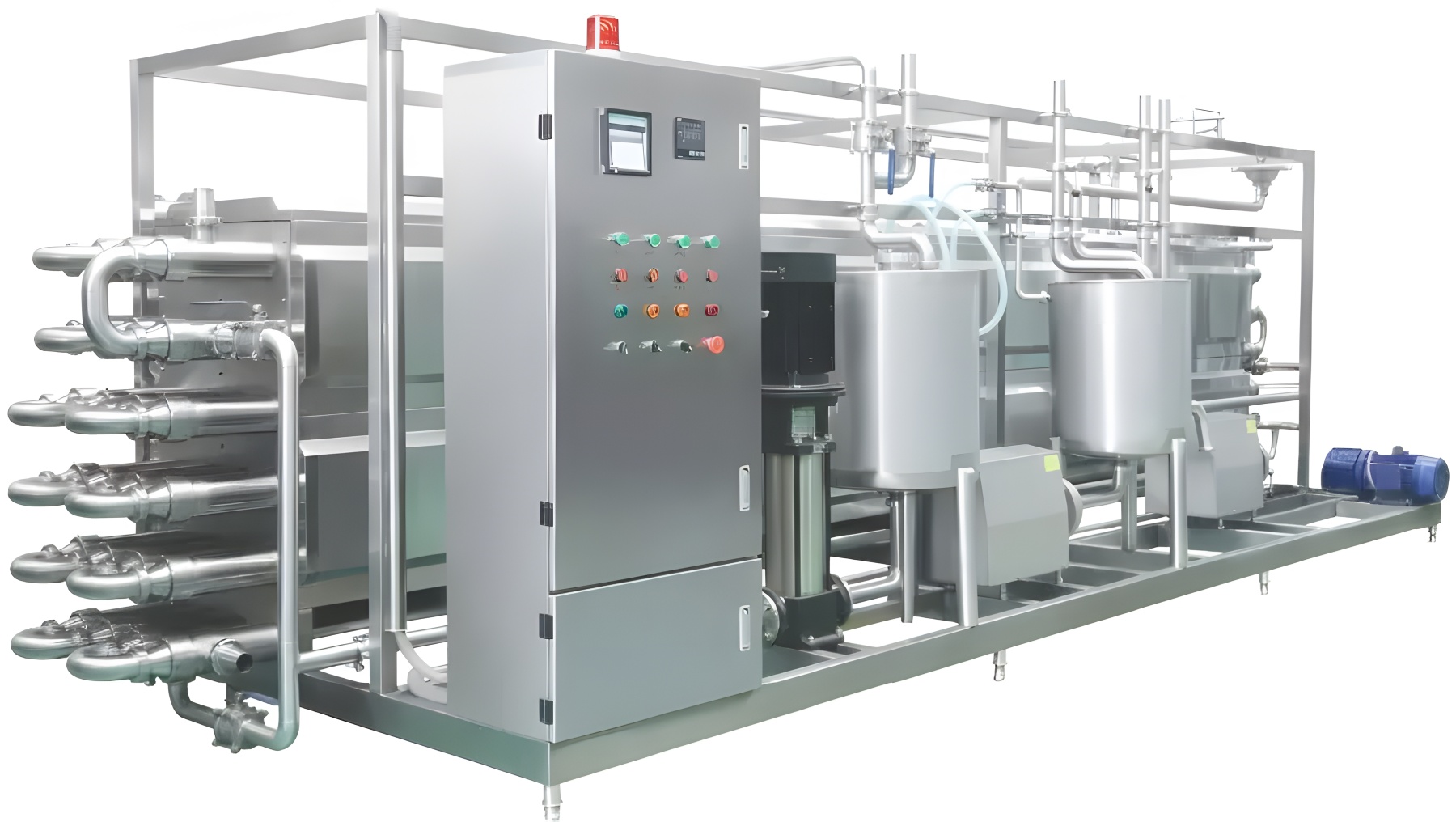
Pasteurizers in the Dairy Industry
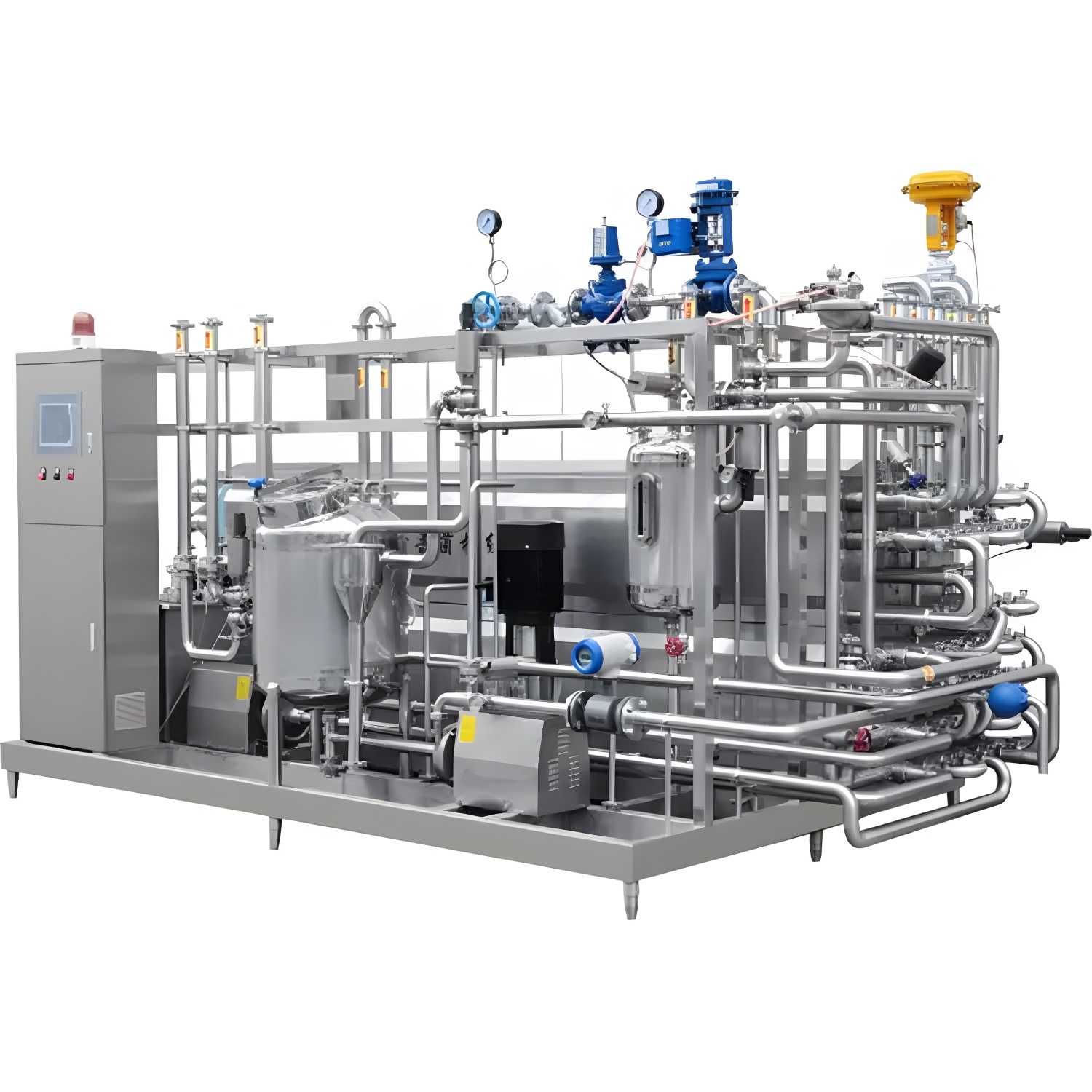
Pasteurization is a fundamental process in the food and dairy industries, designed to ensure product safety and extend shelf life by eliminating harmful microorganisms. Pasteurizers are essential machinery used to heat liquid products—such as milk, juice, and beverages—to specific temperatures for a defined period before rapid cooling. This gentle thermal treatment preserves the nutritional value and taste of the product while enhancing food safety and stability.

Applications of Pasteurizers
Pasteurizers are widely utilized across food, dairy, and beverage sectors for producing:
Milk and Cream
Destroys pathogenic bacteria and increases shelf life without altering taste.
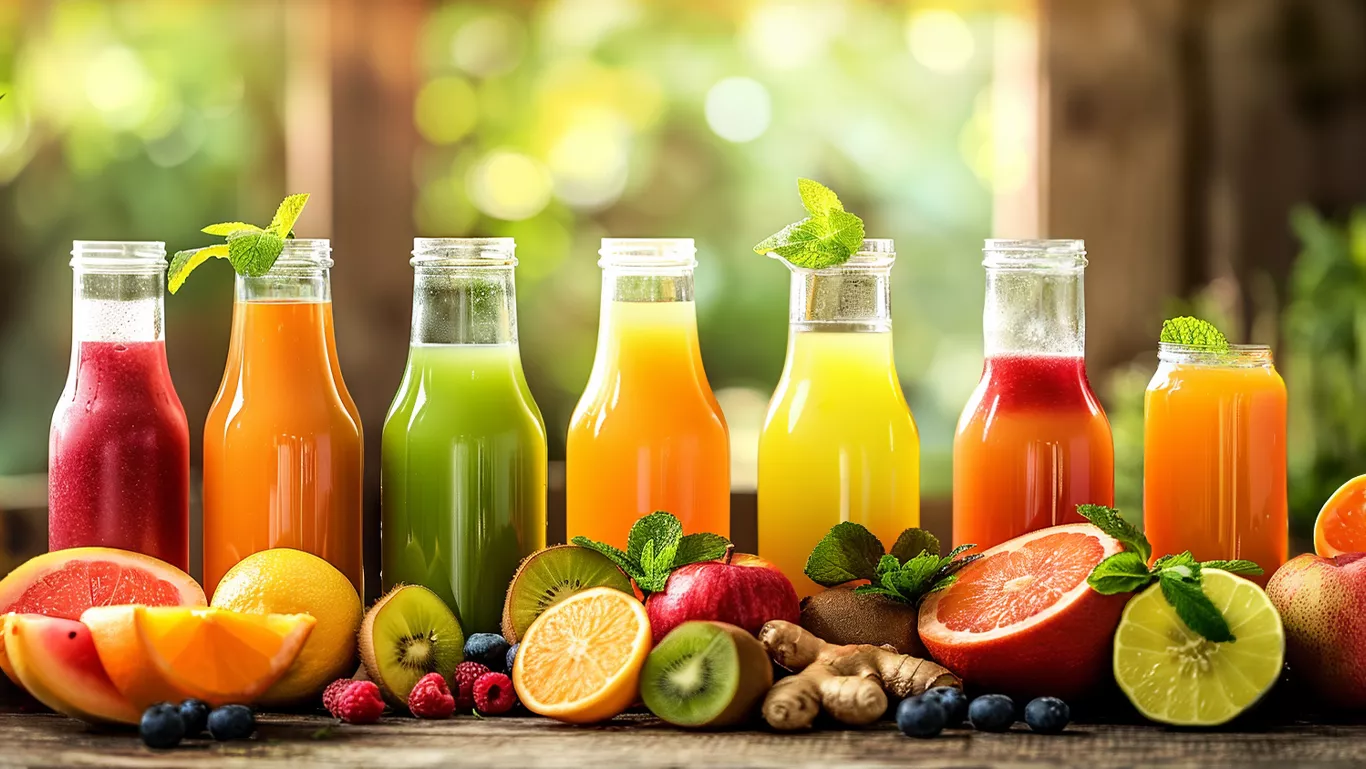
Juices and Soft Drinks
Ensures microbial stability while maintaining flavor and nutritional content.
Yogurt and Fermented Products
Creates a sterile base before the addition of live cultures.
Beer and Cider
Stabilizes the final product without affecting aroma or taste.
Plant-Based Beverages (e.g., Soy, Almond Milk)
Enhances safety and shelf life of non-dairy alternatives.
Types of Pasteurization Equipment
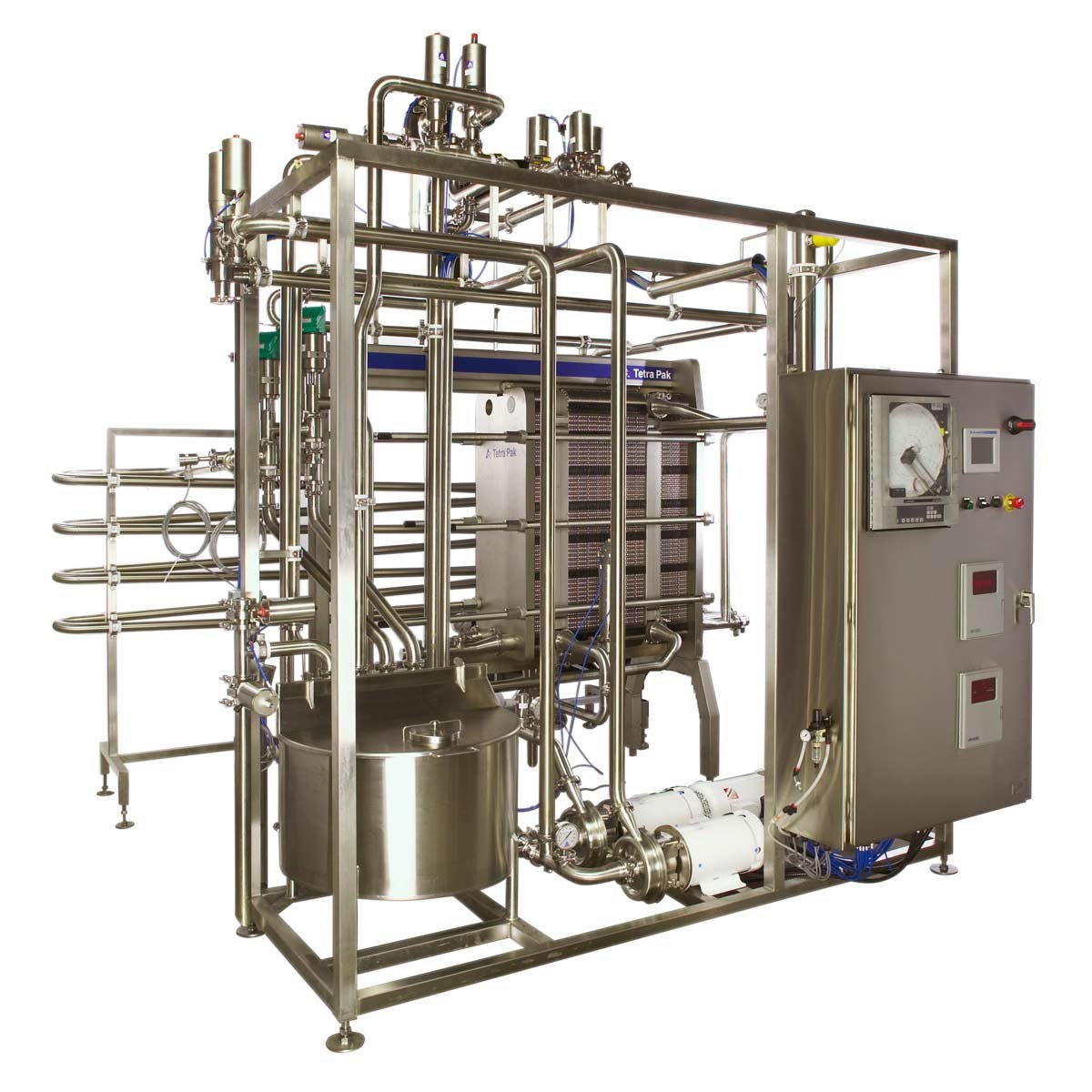
Plate Heat Exchangers
Ideal for low-viscosity products like milk or juice, offering high heat transfer efficiency.
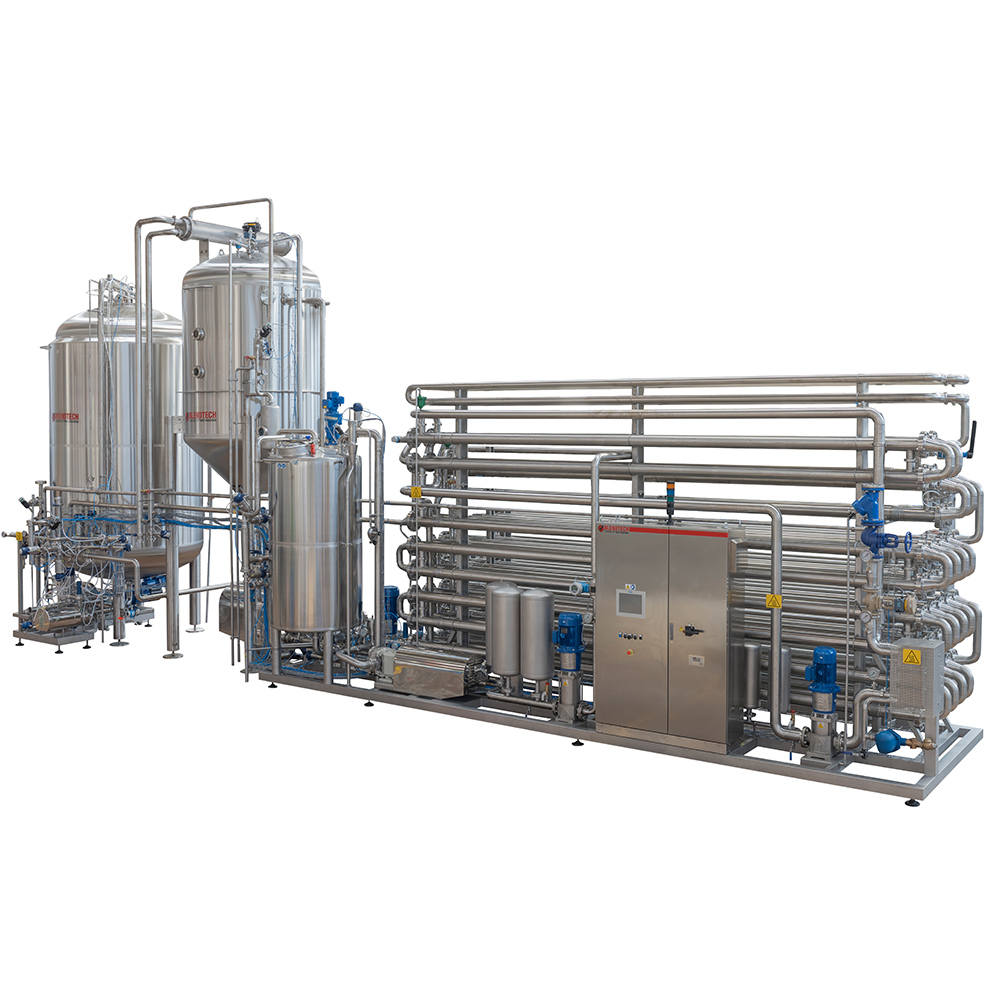
Tubular Pasteurizers
Suitable for thicker or particulate-containing liquids, such as yogurt or sauces.
Batch Pasteurizers
Used for smaller production volumes, offering flexibility and control.
UHT Systems (Ultra-High Temperature)
Designed for shelf-stable products with extended life, especially in aseptic packaging.
Conclusion
Pasteurization is a cornerstone of safe, high-quality food and beverage production. Investing in efficient, hygienic, and well-designed pasteurization systems allows producers to meet both consumer expectations and regulatory standards. Whether you’re processing milk, juice, or plant-based drinks, pasteurizers are indispensable for ensuring safety, quality, and consistency in every drop.