
Comparing Different Heat Exchangers in the Dairy and Beverage Industry
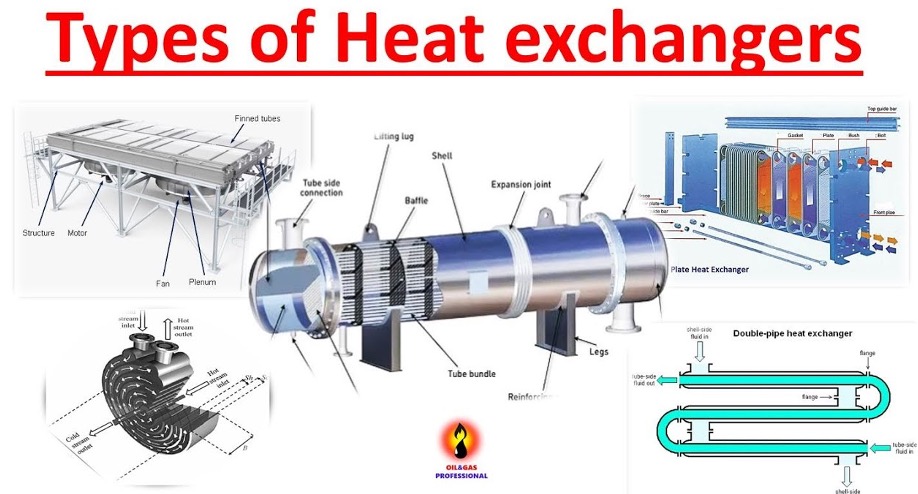
Heat exchangers play a crucial role in dairy and beverage processing, ensuring efficient heating and cooling while maintaining product quality. Choosing the right type is essential for energy efficiency, hygiene, and operational cost-effectiveness. This article compares plate, tubular, and shell-and-tube heat exchangers, highlighting their advantages and best-use cases.
1. Plate Heat Exchangers (PHE)
How They Work:
Thin metal plates form multiple flow channels; the large surface area enables rapid, efficient heat transfer.
Pros:
- High heat transfer efficiency
- Compact, space-saving design
- CIP-friendly; easy to clean/maintain
- Fast temperature control (great for pasteurization)
Cons:
- Not ideal for high-viscosity / large-particle fluids
- Gasket maintenance required periodically
Best Used For:
- Pasteurization of milk, juices, beverages
- Cooling dairy products before packaging
2. Tubular Heat Exchangers
How They Work:
Multiple tubes inside a shell; one fluid flows in the tubes, the other around them for heat exchange.
Pros:
- Handles viscous / pulpy products well
- Lower clogging risk
- Durable with fewer maintenance needs
Cons:
- Larger footprint than plate units
- Lower heat transfer efficiency ⇒ more energy
Best Used For:
- Thick juices, yogurt, cream
- Products with pulp/fiber
3. Shell-and-Tube Heat Exchangers
How They Work:
A bundle of tubes inside a shell; one fluid runs through tubes, the other around them.
Pros:
- Robust for high-pressure applications
- Wide temperature range capability
- Suitable for sterilization processes
Cons:
- Requires more space
- Typically higher energy consumption than plate units
Best Used For:
- UHT milk processing
- High-pressure heating in beverage plants
Conclusion
Select based on product viscosity, particle content, temperature targets, and line conditions: plate for pasteurization and compactness, tubular for viscous or particle-rich products, and shell-and-tube for high-temperature sterilization. The right match optimizes energy, quality, and uptime.
Video Resources
1. Heat Exchangers for Food and Dairy Applications
2. HFM Plate Heat Exchanger in Milk Processing | Pasteurization
3. Plate Heat Exchangers in the Food & Beverage Industry