
How Pasteurizers Work: A Complete Guide
Learn how pasteurizers work, compare pasteurization methods (LTLT, HTST, UHT), and see why they matter for food safety, shelf life, and efficiency.
1 What is Pasteurization?
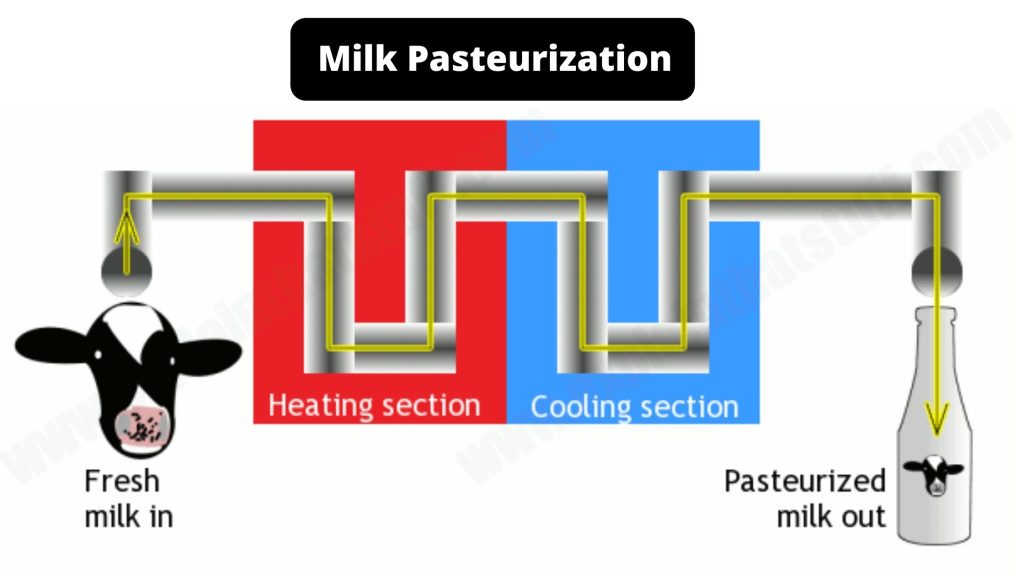
Pasteurization is the process of heating a liquid (milk, juice, or other beverages) to a specific temperature for a set period to kill harmful bacteria without affecting the product’s quality. This method, invented by Louis Pasteur, is widely used in the food industry today.
Watch: Pasteurization in dairy processing.
2 Types of Pasteurization
Different methods are used depending on product type and target shelf life:
- Low-Temperature, Long-Time (LTLT) — 63°C for 30 minutes (commonly used for milk).
- High-Temperature, Short-Time (HTST) — 72°C for 15 seconds; kills bacteria while maintaining freshness.
- Ultra-High Temperature (UHT) — 135°C for 2–5 seconds; makes the product shelf-stable without refrigeration.
Comparison of LTLT, HTST, and UHT.
3 Key Components of a Pasteurization System
Modern systems typically include:
- Heat Exchanger — Transfers heat efficiently while maintaining precise temperature control.
- Holding Tube — Ensures the product remains at target temperature for the required time.
- Temperature Sensors — Monitor and regulate heat to avoid under/overheating.
- Cooling Section — Rapidly cools the product before packaging.
A closer look at pasteurizer components.
4 Benefits in Dairy & Beverage Production
- Ensures Food Safety — Eliminates pathogens such as Salmonella and E. coli.
- Extends Shelf Life — Reduces spoilage, waste, and returns.
- Preserves Nutritional Value — Maintains key vitamins and minerals.
- Meets Regulatory Standards — Complies with global food safety laws.
Conclusion
Pasteurization is essential to modern dairy and beverage processing, delivering safety and quality at scale. Whether using LTLT, HTST, or UHT, selecting the right method—and pairing it with efficient heat exchangers and IoT monitoring—can maximize performance while minimizing energy costs.
Need help choosing the right pasteurization setup?
Get a quick RFQ for heat exchangers, valves, pumps, instrumentation, and more.