
The Importance of Genuine Spare Parts: Why Cheap Alternatives Can Cost More in the Long Run
In the food, dairy, and beverage industries, machinery efficiency is crucial for maintaining high production standards, ensuring product quality, and meeting regulatory requirements. One critical aspect of equipment maintenance is the use of genuine spare parts. While cheaper, non-original alternatives might seem like a cost-saving solution, they often lead to increased long-term expenses, unexpected downtime, and compromised product quality.
1. Durability and Reliability
Genuine spare parts are designed and tested to meet the exact specifications of the original machinery. They ensure optimal performance, reducing the risk of failures and the need for frequent replacements. On the other hand, non-original parts may wear out quickly, leading to frequent breakdowns and higher maintenance costs.
2. Machine Compatibility and Performance
Manufacturers design genuine spare parts to fit seamlessly into their equipment. Using non-genuine parts can cause misalignment, increased friction, or improper sealing, leading to inefficiencies, overheating, or even severe damage to expensive machinery.
3. Compliance with Industry Standards
The food and beverage sector has strict hygiene and safety regulations. Many original parts comply with FDA, EHEDG, or 3-A sanitary standards, ensuring they are safe for food production. Cheap alternatives might not meet these standards, leading to contamination risks and potential legal consequences.
4. Increased Downtime and Production Losses
When a non-genuine spare part fails unexpectedly, it can lead to unplanned downtime. This not only affects production schedules but also results in financial losses. Investing in genuine parts ensures longer service life and reduced maintenance disruptions.
5. Manufacturer Support and Warranty Protection
Many equipment manufacturers offer warranties and technical support when genuine spare parts are used. Installing non-original components can void warranties, leaving businesses without support in case of failure.
Conclusion
While cheap spare parts may seem like a cost-effective option, the risks they pose—frequent breakdowns, inefficiencies, compliance issues, and potential product contamination—far outweigh the initial savings. Investing in genuine spare parts ensures long-term reliability, safety, and cost efficiency, ultimately protecting both your production line and your business reputation.
Recommended Videos
1) Importance of Genuine Spare Parts in Food Processing Equipment
This video explains why using authentic spare parts is crucial for maintaining the efficiency and safety of food processing machinery.
2) Cost Implications of Non-Genuine Parts in Dairy Equipment
An analysis of how non-original parts can lead to increased costs and downtime in dairy production facilities.
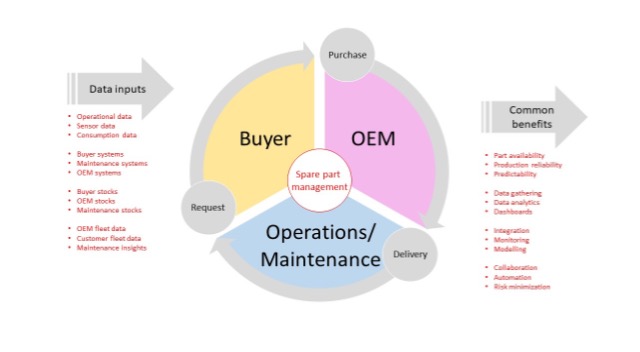
3) Effective Spare Parts Management
This video covers the role of effective spare parts management in reducing asset-related costs while maintaining operational efficiency.